


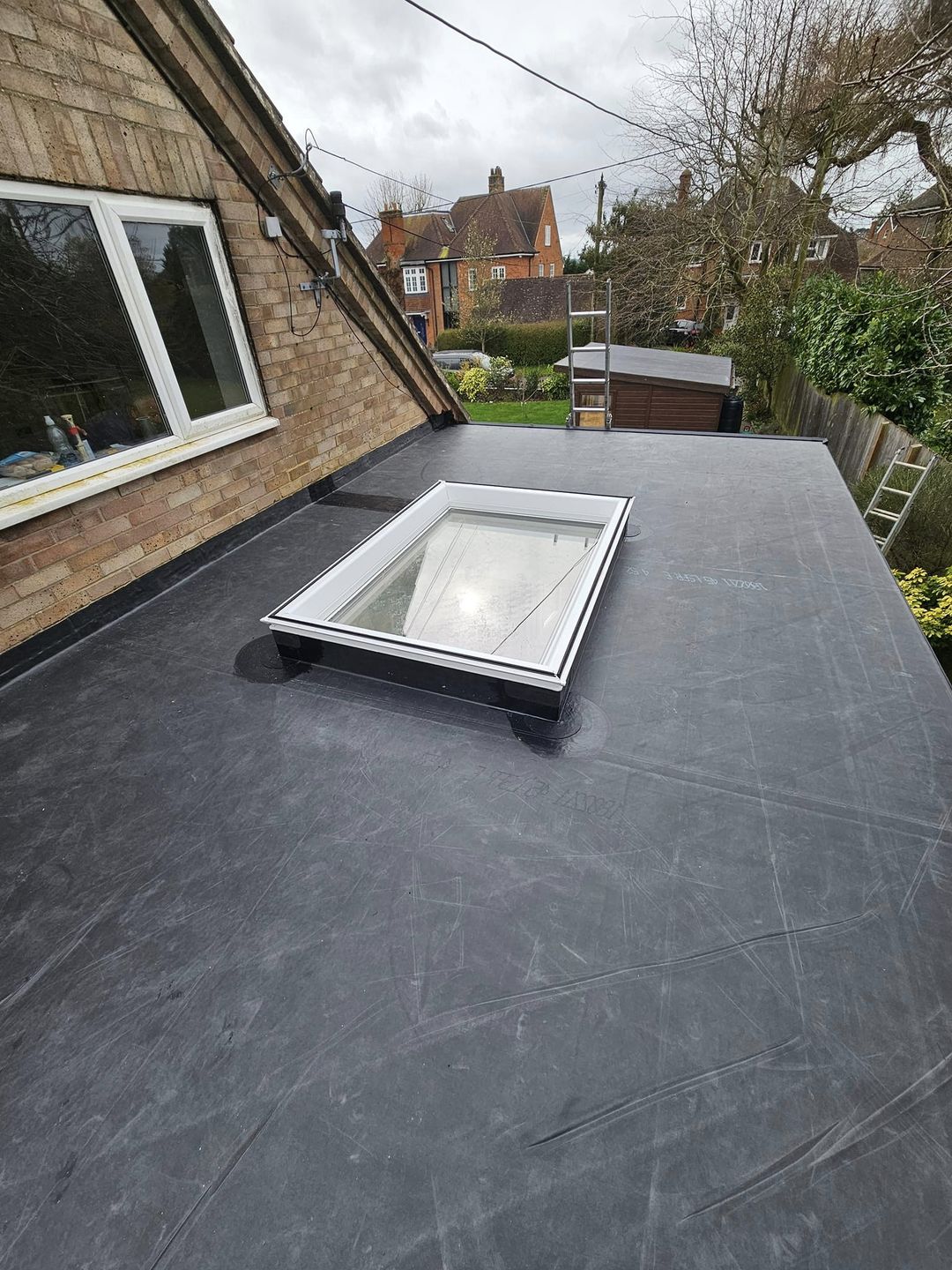
Discover the truth behind common EPDM roofing myths. Learn what’s fact & what’s fiction to make informed roofing decisions
Common Myths About EPDM Roofing: Separating Fact from Fiction
When it comes to flat roofing, few materials have earned the reputation of EPDM rubber roofing. Known for its exceptional durability, weather resistance and long lifespan, EPDM has become one of the UK’s most trusted roofing systems for domestic, commercial and industrial buildings alike.
Despite its growing popularity, there are still plenty of misconceptions surrounding EPDM roofing. Some stem from outdated views of flat roofs, while others arise simply because many people are unfamiliar with how modern roofing membranes perform.
In this guide, we’ll separate fact from fiction by addressing some of the most common myths about EPDM roofing before answering the questions customers ask most frequently. Whether you’re planning a new installation or replacing an ageing flat roof, understanding the facts can help you make a more informed decision.
Myth 1: EPDM Is Just Ordinary Rubber
One of the biggest misconceptions is that EPDM roofing is simply a sheet of rubber with little difference from other materials.
While EPDM is a synthetic rubber membrane, it has been specifically engineered for roofing applications. During manufacture, the material is formulated to provide outstanding resistance to ultraviolet light, ozone, weathering and extreme temperature fluctuations.
Unlike conventional rubber products, roofing-grade EPDM is designed to remain flexible and watertight for decades. It resists cracking, shrinking and splitting even after years of exposure to the elements, making it one of the most dependable flat roofing materials available today.
Myth 2: Flat Roofs Always Leak
Many people still associate flat roofs with leaks and ongoing maintenance. This reputation largely comes from older roofing systems that relied on materials and installation techniques no longer considered best practice.
Modern EPDM roofing systems are very different.
When professionally installed using quality membranes, compatible adhesives and correctly detailed edges, seams and drainage outlets, an EPDM roof provides outstanding waterproof protection. Large sheets can often cover an entire roof with minimal joints, reducing the number of potential weak points and significantly lowering the risk of water ingress.
With the correct installation, an EPDM roof can provide reliable protection for decades.
Myth 3: EPDM Roofing Requires Constant Maintenance
Some property owners assume that rubber roofing needs regular treatment or specialist maintenance to remain effective.
In reality, EPDM is one of the lowest-maintenance flat roofing systems available.
Unlike some traditional roofing materials, EPDM does not require frequent coatings or extensive upkeep. In most cases, routine inspections combined with clearing leaves, moss and debris from drainage outlets are sufficient to keep the roof performing as intended.
Checking the roof periodically for accidental damage after severe weather or nearby building work is also good practice, but ongoing maintenance costs remain minimal compared with many alternative roofing systems.
Myth 4: EPDM Is Only Suitable for Domestic Roofs
Another common misconception is that EPDM is only used on garages and small home extensions.
In fact, EPDM has been successfully installed on commercial and industrial buildings across the world for decades.
Its durability, weather resistance and low maintenance requirements make it a popular choice for:
- Commercial offices
- Retail developments
- Schools and educational buildings
- Warehouses
- Healthcare facilities
- Industrial units
- Apartment developments
Its ability to cover large roof areas efficiently makes it particularly attractive for commercial roofing projects where long-term performance is essential.
Myth 5: Every EPDM Roofing Membrane Is the Same
Although many EPDM membranes may appear similar, there can be significant differences in manufacturing quality, thickness and performance.
The membrane itself is only one part of a successful roofing system. Adhesives, primers, trims, edge details and accessories all contribute to the overall lifespan and reliability of the finished roof.
Choosing high-quality products from an experienced supplier helps ensure complete compatibility between system components while providing greater confidence that the installation will continue performing for many years.
Investing in quality materials at the outset often results in lower maintenance costs and a longer-lasting roof.
Frequently Asked Questions About EPDM Roofing
How long does an EPDM roof last?
One of the biggest advantages of EPDM roofing is its exceptional lifespan.
A professionally installed EPDM roof can often last 50 years or more with minimal maintenance, making it one of the most durable flat roofing solutions currently available.
Is EPDM better than traditional felt roofing?
For many projects, EPDM offers several advantages over traditional felt systems.
It generally provides a longer service life, greater flexibility, improved UV resistance and better performance during temperature changes. It also requires less ongoing maintenance, making it an attractive long-term investment for many property owners.
Can you walk on an EPDM roof?
Yes, occasional foot traffic for inspections or maintenance is usually acceptable.
However, where regular access is required, designated walkways or protection pads are recommended to minimise wear and help preserve the membrane over the long term.
Is EPDM environmentally friendly?
EPDM is widely recognised as an environmentally responsible roofing material.
Its exceptionally long lifespan reduces the frequency of replacement, helping minimise waste and conserve resources. Many EPDM membranes are also recyclable at the end of their service life, further improving their environmental credentials.
Can an EPDM roof be repaired?
Yes.
If accidental damage occurs, repairs can often be carried out using compatible repair tapes and specialist materials without replacing the entire roofing membrane. When completed correctly, repairs can restore the roof’s waterproof integrity quickly and effectively.
Does EPDM crack during cold weather?
No.
One of EPDM’s key strengths is its flexibility across an extremely wide temperature range. Unlike some roofing materials that become brittle over time, EPDM remains flexible in both freezing winter conditions and high summer temperatures, helping prevent cracking and splitting.
Is EPDM suitable for homes?
Absolutely.
EPDM is widely used on domestic properties throughout the UK and is ideal for:
- Home extensions
- Garages
- Garden buildings
- Dormers
- Porches
- New-build homes
- Garden offices
Its clean appearance, long lifespan and low maintenance requirements make it particularly attractive for homeowners looking for a dependable roofing solution.
How resistant is EPDM to sunlight?
EPDM offers excellent resistance to ultraviolet radiation.
Unlike many roofing materials that deteriorate after prolonged sun exposure, EPDM maintains its flexibility and weatherproof performance, helping extend the overall life of the roof.
Can EPDM roofing be installed all year round?
In many cases, yes.
Professional roofing contractors can install EPDM throughout much of the year, although extreme weather such as heavy rain, strong winds or frost may affect installation schedules. Site conditions are always assessed before work begins to ensure the best possible results.
Why Choosing the Right Supplier Matters
Even the highest-quality roofing membrane relies on the correct products and technical support to achieve its full potential.
At Stephens Industries, we’ve spent decades supplying high-performance roofing and waterproofing solutions to contractors, merchants, architects and property owners throughout the UK.
Our experienced team understands the demands placed on modern flat roofing systems and can provide guidance on selecting the most appropriate EPDM membrane, adhesives, trims and accessories for each project.
Whether you’re completing a domestic extension, refurbishing a commercial property or managing a large-scale roofing development, we supply dependable products backed by expert advice and outstanding customer service.
Final Thoughts
EPDM roofing has earned its place as one of the UK’s leading flat roofing systems because it consistently delivers where it matters most. Its outstanding durability, weather resistance, flexibility and low maintenance requirements make it a smart investment for both residential and commercial properties.
While myths surrounding flat roofing continue to circulate, modern EPDM systems have repeatedly proven that they offer reliable, long-lasting performance when installed correctly using high-quality materials. Understanding the facts allows property owners, contractors and specifiers to make confident decisions based on performance rather than outdated misconceptions.
If you’re considering an EPDM roofing system or would like expert guidance on selecting the right products for your next project, Stephens Industries is here to help. Our knowledgeable team can recommend the ideal solution for your application, ensuring your roof delivers dependable waterproof protection for many years to come.