


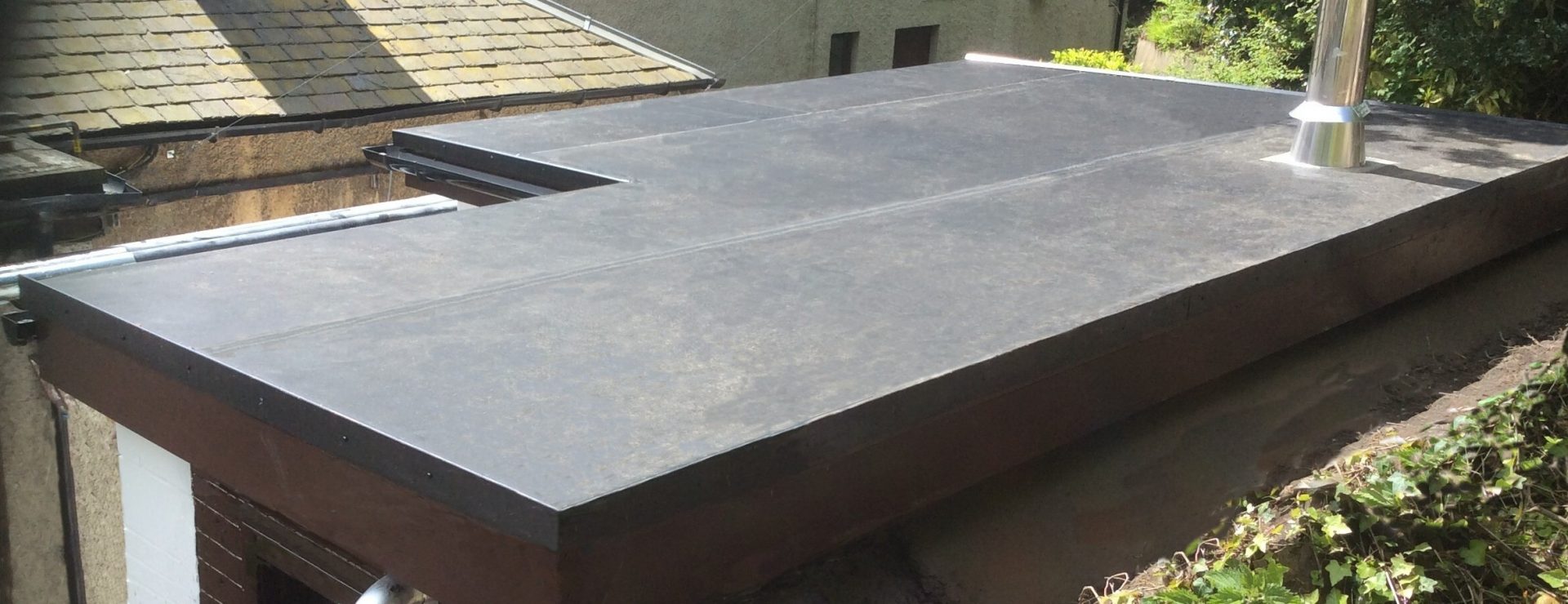
Discover our comprehensive rubber roof installation guide – including best practices, roof types & common applications.
EPDM Roofing Installation Guide: Best Practices, Roof Types and Common Applications
Fitting Rubber Roofing for Long-Term Performance
Choosing a high-quality EPDM membrane is only the first step towards creating a durable, weatherproof flat roof. To achieve the outstanding lifespan and performance that EPDM is known for, correct installation is just as important as selecting the right materials.
Thanks to its flexibility, strength and ease of installation, EPDM has become one of the UK’s leading flat roofing systems for domestic, commercial and industrial buildings. Whether you’re replacing an ageing felt roof, constructing a new extension or specifying materials for a large commercial development, understanding how EPDM should be installed will help ensure your roof performs reliably for decades.
In this guide, we’ll explain the key stages of EPDM roofing installation, the difference between warm and cold roof construction, how to maintain your roof, and why EPDM continues to outperform many traditional flat roofing materials.
Why Correct Installation Matters
EPDM is renowned for being one of the most forgiving roofing membranes to install, but even the highest-quality membrane relies on proper preparation and careful attention to detail.
A professionally installed EPDM roof can provide more than 50 years of dependable waterproof protection, while poor installation techniques may lead to unnecessary maintenance or premature failure.
Although experienced DIY enthusiasts may successfully install EPDM on smaller buildings such as sheds, garages or garden rooms, larger or more complex roofing projects should always be completed by trained roofing professionals who understand the importance of fitting rubber roofing correctly as well as detailing requirements.
Preparing the Roof Deck
Every successful EPDM installation begins with a properly prepared roof deck.
Before laying the membrane, the surface must be clean, dry, smooth and structurally sound. Any defects beneath the membrane will affect both the finished appearance and the overall performance of the roof.
Suitable roof substrates include:
- OSB3 decking
- Exterior-grade plywood
- Timber roof decks
- Approved insulation boards
- Existing flat roofing systems where appropriate
The deck should be completely free from dust, standing water, loose debris and sharp edges that could damage the membrane or affect adhesive performance.
Any damaged timber, rotten decking or unstable areas should be repaired or replaced before installation begins.
Taking the time to prepare the roof correctly creates the ideal foundation for a long-lasting waterproof system.
EPDM Roof Installation
Once the roof deck has been prepared, the EPDM membrane is carefully rolled into position and left to relax. This allows any folds or tension created during transportation or storage to settle before bonding takes place.
Specialist adhesives are then used to secure the membrane. Different adhesive systems are used depending on the area being installed and the type of substrate.
A complete installation typically includes:
- Bonding the main roof area
- Securing perimeter edges
- Forming corners and upstands
- Installing edge trims
- Sealing around roof penetrations
- Completing rainwater outlet details
The greatest attention is given to areas where leaks are most likely to occur, including roof edges, skylights, pipe penetrations and drainage outlets. These details play a vital role in creating a completely watertight roof.
Warm Roof vs Cold Roof Construction
One of the first decisions when designing a flat roof is whether to build a warm roof or a cold roof system.
Warm Roof Construction
A warm roof places the insulation above the structural roof deck, creating a continuous layer of thermal protection.
A typical warm roof build-up consists of:
- Structural deck
- Vapour control layer
- Insulation
- EPDM membrane
Warm roofs have become the preferred solution for most new-build and refurbishment projects because they:
- Improve thermal efficiency
- Reduce the risk of condensation
- Meet current Building Regulations more easily
- Deliver excellent year-round energy performance
Cold Roof Construction
In a cold roof system, insulation is positioned between the roof joists beneath the deck.
Although this method has been widely used for many years, it relies on effective ventilation beneath the roof deck to minimise condensation.
Cold roofs are generally found on older properties or projects where structural constraints make warm roof construction impractical.
Can EPDM Be Installed Over an Existing Roof?
One of the major advantages of EPDM is that, in many situations, it can be installed directly over an existing flat roof.
Providing the existing structure remains sound, this approach can reduce waste, minimise disruption and lower removal costs.
However, the existing roof should always be carefully inspected for:
- Structural movement
- Water damage
- Rotten decking
- Trapped moisture
- Delamination
- Uneven surfaces
If any significant defects are identified, replacing the roof deck is often the most cost-effective long-term solution.
Essential EPDM Roofing Accessories
A successful rubber roof installation involves much more than the membrane itself.
Using compatible accessories ensures every part of the roofing system performs together to provide long-lasting waterproof protection.
Common roofing accessories include:
- Water-based adhesives
- Contact adhesives
- Primers
- Seam tapes
- Pipe boots
- Corner flashings
- Termination bars
- Drip trims
- Edge trims
- Rainwater outlet details
Using products designed to work together helps maintain the integrity of the roof and provides reliable long-term performance.
How Long Does EPDM Roofing Last?
One of the biggest reasons property owners choose EPDM is its exceptional lifespan.
When professionally installed and properly maintained, an EPDM roof can last for more than 50 years, significantly outperforming many traditional flat roofing materials.
Its impressive durability comes from its ability to resist:
- UV exposure
- Ozone damage
- Extreme temperatures
- Frost
- Thermal movement
Unlike traditional felt, EPDM remains flexible throughout its service life, reducing the risk of cracking as temperatures change.
Many manufacturers also provide long-term warranties, giving additional confidence in the product’s performance.
Maintaining an EPDM Roof
One of the greatest advantages of EPDM is how little maintenance it requires.
Routine maintenance usually involves:
- Removing leaves and moss
- Clearing gutters and drainage outlets
- Inspecting roof edges
- Checking flashings after severe weather
- Cleaning away accumulated dirt when necessary
Scheduling an annual inspection helps identify any minor issues before they become larger repairs and ensures the roofing system continues to perform at its best.
Common Causes of Roofing Problems
Although EPDM itself is an exceptionally reliable material, problems can occur if installation standards are not followed.
Some of the most common causes include:
Poor Surface Preparation
Dust, moisture or uneven decking can reduce adhesive performance and prevent the membrane from bonding correctly.
Incorrect Adhesive Application
Using the wrong adhesive or applying it incorrectly may result in poor adhesion or membrane lifting over time.
Inadequate Drainage
Standing water should always be minimised through effective roof design and correctly positioned drainage outlets.
Poor Detailing
Roof edges, corners, skylights and penetrations require careful installation.
Many roof leaks occur because these finishing details have not been completed correctly rather than because the EPDM membrane itself has failed.
EPDM vs Traditional Felt Roofing
Traditional bituminous felt has been used for decades, but modern EPDM systems offer several important advantages.
Compared with felt roofing, EPDM provides:
- A significantly longer lifespan
- Excellent UV resistance
- Outstanding flexibility
- Far fewer joints
- Faster installation
- Lower maintenance requirements
- Greater resistance to cracking
While felt roofs often require replacement after 15 to 25 years, professionally installed EPDM roofs can continue performing for over half a century, making them a far more economical long-term investment.
EPDM vs GRP Fibreglass Roofing
GRP fibreglass roofing is another popular flat roofing solution, particularly for smaller domestic projects.
Both systems offer reliable waterproofing, but they each have their strengths.
Advantages of EPDM
- Excellent flexibility
- Superior thermal movement performance
- Outstanding UV resistance
- Straightforward repairs if required
- Proven long-term durability
Advantages of GRP
- Hard, rigid finish
- Smooth seamless appearance
- Suitable for complex roof shapes
For larger roof areas, EPDM is often preferred because its flexibility allows it to cope exceptionally well with seasonal movement and changing temperatures.
Why EPDM Performs So Well in the UK Climate
British weather places considerable demands on roofing materials.
Throughout the year, roofs are exposed to:
- Heavy rainfall
- Frost
- Snow
- High winds
- Strong summer UV rays
- Daily temperature fluctuations
EPDM has been specifically engineered to withstand these conditions without becoming brittle or losing its waterproofing performance.
Its natural elasticity allows it to expand and contract with changing temperatures, making it one of the most dependable flat roofing materials available for the UK climate.
Typical Applications for EPDM Roofing
The versatility of EPDM makes it suitable for a wide variety of projects.
Common applications include:
- Home extensions
- Garages
- Garden offices
- Garden rooms
- Dormer roofs
- Apartment developments
- Schools
- Healthcare facilities
- Retail units
- Warehouses
- Industrial buildings
- Agricultural buildings
Whether you’re installing a completely new roof or replacing an ageing flat roof, EPDM offers a dependable waterproofing solution designed to deliver decades of reliable performance.
Why Choose Stephens Industries?
With more than 65 years of experience supplying roofing and waterproofing solutions, Stephens Industries has built a reputation for quality products, technical expertise and dependable customer support.
We supply premium EPDM roofing membranes, adhesives, trims and accessories that help roofing professionals achieve reliable, long-lasting installations.
Whether you’re a roofing contractor, merchant, architect or property owner, our knowledgeable team can provide practical advice and help you select the right roofing system for your project.
Our commitment extends beyond supplying products—we’re here to support every stage of your roofing project with expert guidance and dependable service.
Conclusion
When installed correctly, EPDM provides one of the most durable, cost-effective and low-maintenance flat roofing solutions available today. Its exceptional lifespan, resistance to UV exposure and ability to withstand the UK’s ever-changing weather conditions have made it the preferred choice for thousands of domestic, commercial and industrial roofing projects.
By combining a high-quality EPDM membrane with the correct rubber roof installation techniques and compatible accessories, property owners can enjoy decades of reliable waterproof protection and excellent long-term value.
At Stephens Industries, we’re proud to supply premium EPDM roofing systems backed by more than 65 years of industry expertise. Whether you’re planning a new installation, replacing an existing flat roof or simply looking for technical advice, our experienced team is here to help you choose the right solution for a roof that’s built to last.